



In recent years, the trend of integrating nature into home decor has gained significant popularity. Plants not only enhance the aesthetic appeal of a space but also contribute to a healthier living environment by improving air quality. One of the most creative ways to display your greenery is through handmade plant holders. Crafting your own plant holders allows you to personalize your decor and showcase your unique style. In this article, we will explore various methods and materials to create stunning handmade plant holders that will add charm and character to your home.
Benefits of Handmade Plant Holders
Before diving into the crafting process, it’s important to understand the benefits of choosing handmade plant holders over store-bought alternatives. Here are a few reasons why handmade plant holders might be the perfect fit for your home:
- Personalization: Creating your own plant holders allows you to tailor the design, color, and size to perfectly fit your space and taste.
- Cost-Effectiveness: Handmade plant holders often utilize materials that are either recycled or inexpensive, making them budget-friendly.
- Eco-Friendliness: By using sustainable or upcycled materials, you contribute to reducing waste and minimizing your environmental footprint.
- Creativity: Crafting plant holders is an excellent way to express your creativity and artistic skills.
- Uniqueness: Each handmade piece is one-of-a-kind, ensuring that your decor stands out.
Materials and Tools Needed
The materials and tools required for crafting handmade plant holders vary depending on the design and technique you choose. However, some common materials include:
- Rope or twine (for macramé holders)
- Clay or polymer clay (for sculpted holders)
- Wood (for wooden plant stands or wall-mounted holders)
- Recycled materials (such as glass jars, tin cans, or plastic bottles)
- Paints and brushes (for decoration)
- Scissors, glue, and other basic crafting tools
Having these materials and tools on hand will set the foundation for your plant holder crafting journey.
Crafting Techniques
Macramé Plant Holders
Macramé is an ancient craft technique that involves knotting cords in a variety of patterns to create decorative and functional items. To create a macramé plant holder, you will need some sturdy cord or rope, scissors, and a hook or ring to hang your finished piece. Here’s a simple guide to get you started:
- Cut your cord into several equal lengths. The length depends on the size of the holder you wish to create.
- Fold each cord in half and tie them onto a ring or hook using a lark’s head knot.
- Organize the cords into groups and start creating your knots. Popular knots include the square knot, spiral knot, and half hitch knot.
- Continue knotting until you reach the desired length, ensuring you leave enough cord at the bottom to secure your plant pot.
- Tie all the cords together at the bottom and trim any excess. Your macramé plant holder is now ready to hang!
Clay Plant Holders
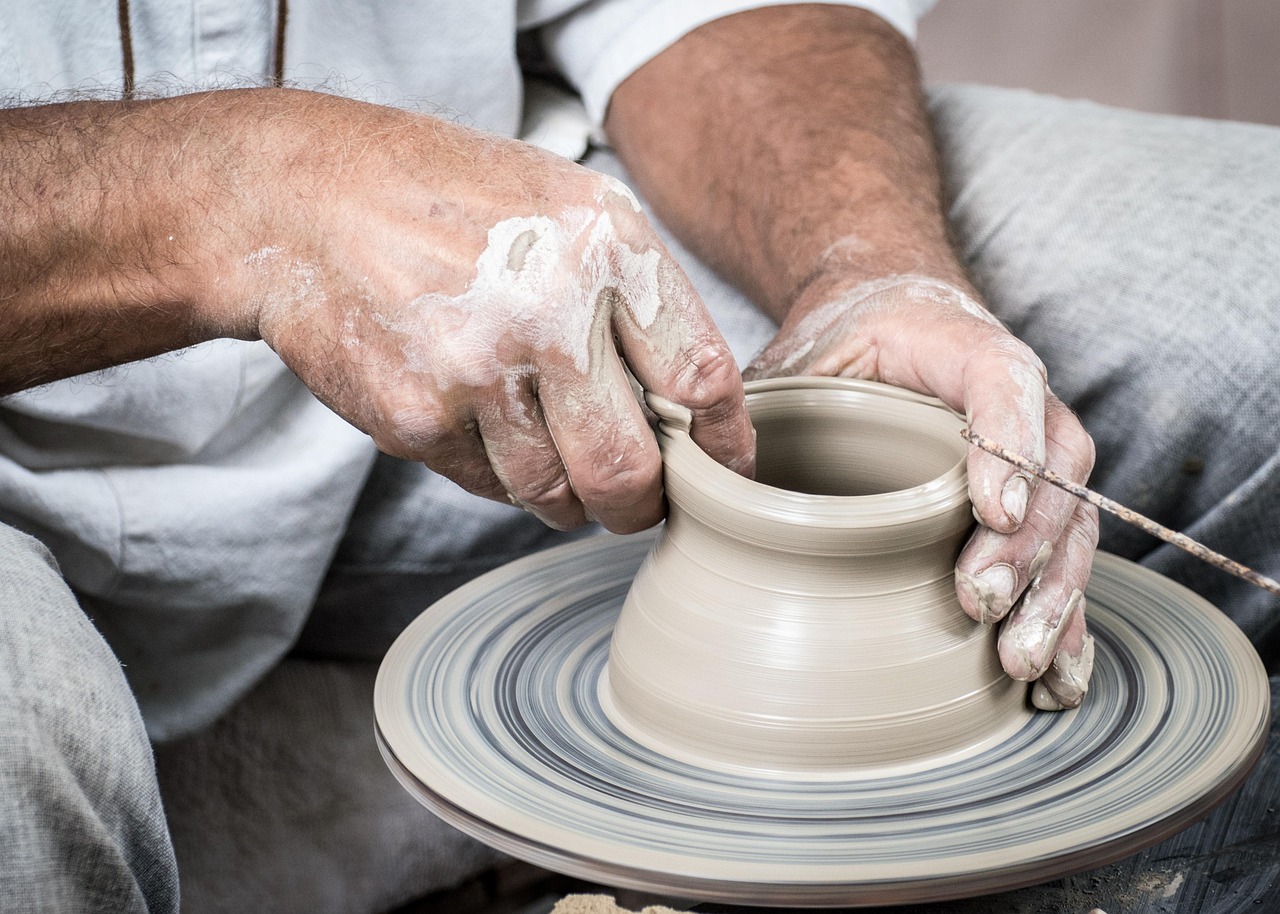
Working with clay is a versatile way to create custom plant holders that can be molded into any shape or size. Whether you choose air-dry clay or polymer clay, the process is straightforward:
- Start by kneading the clay until it’s soft and pliable.
- Roll out the clay to an even thickness using a rolling pin.
- Cut out your desired shapes using a craft knife or cookie cutters.
- Assemble the shapes into a holder form and smooth the edges using your fingers or a sculpting tool.
- Allow the clay to dry completely or bake it in the oven if using polymer clay.
- Once dry, you can paint and seal your clay holder to add color and protection.
Upcycled Plant Holders
Upcycling is an environmentally friendly way to create plant holders by repurposing items you already have at home. Consider these ideas:
- Glass Jars: Clean out empty jars and use them as transparent plant holders. You can decorate the exterior with paint or wrap them in twine for a rustic look.
- Tin Cans: Remove labels from tin cans, paint them with vibrant colors, and add drainage holes at the bottom. These cans can be hung or placed on shelves.
- Plastic Bottles: Cut the top off a plastic bottle and use the bottom half as a plant holder. You can paint or cover it with fabric for a unique appearance.
Decorating Your Plant Holders
Once you’ve crafted your plant holders, it’s time to add some decorative touches to enhance their visual appeal. Here are some ideas:
- Paint: Use acrylic or spray paint to add color and patterns to your plant holders. Consider using stencils for intricate designs.
- Decoupage: Apply decorative paper or fabric to the surface of your plant holders using decoupage glue for a textured look.
- Natural Elements: Incorporate natural elements like stones, shells, or wood slices to complement the organic feel of your plant holders.
- Beads and Charms: Add beads or charms to macramé plant holders for an extra touch of elegance.
Displaying Your Handmade Plant Holders
The way you display your handmade plant holders can significantly impact the overall ambiance of your space. Consider the following tips for showcasing your creations:
- Grouping: Arrange multiple plant holders at varying heights in a cluster for a visually appealing display.
- Hanging: Use ceiling hooks or wall-mounted brackets to hang your plant holders, creating a sense of dimension and depth.
- Shelving: Place your holders on shelves, mantels, or window sills to make the most of natural light.
- Outdoor Spaces: Extend your decor to outdoor spaces like balconies or patios by using weather-resistant materials.
Conclusion
Crafting handmade plant holders is a delightful and rewarding endeavor that allows you to bring a personal touch to your home decor. By exploring different materials and techniques, you can create unique plant holders that reflect your style and creativity. Whether you opt for the intricate knots of macramé, the versatility of clay, or the sustainability of upcycling, your handmade plant holders will undoubtedly become cherished features of your living space. So gather your materials, unleash your creativity, and start crafting stunning plant holders that will breathe new life into your home.
#ChatGPT assisted in the creation of this article.