


In today’s fast-paced world, fostering creativity in children is more crucial than ever. With an array of digital distractions, it’s essential to provide young minds with opportunities to explore, imagine, and create. Montessori-inspired craft activities offer an excellent way to boost creativity by encouraging hands-on learning and self-expression. These activities not only engage children but also help them develop fine motor skills, problem-solving abilities, and a love for learning.
Understanding the Montessori Approach
The Montessori method, developed by Dr. Maria Montessori in the early 20th century, is an educational approach that emphasizes independence, freedom within limits, and respect for a child’s natural psychological, physical, and social development. Montessori believed in providing children with an environment rich in opportunities for self-directed, hands-on learning and creativity.
Montessori-inspired craft activities are rooted in these principles, focusing on process over product, allowing children to explore materials and techniques freely. This approach nurtures creativity by encouraging children to experiment, make decisions, and think critically about their creations.
Benefits of Montessori-Inspired Craft Activities
Engaging children in Montessori-inspired craft activities offers numerous benefits:
Encourages Independent Thinking
Montessori-inspired crafts allow children to make choices and decisions, fostering independence and confidence in their abilities. They learn to trust their instincts and explore their ideas, leading to unique and personalized creations.
Develops Fine Motor Skills
Craft activities often involve cutting, gluing, painting, and manipulating small objects, all of which help children develop fine motor skills. These skills are crucial for tasks such as writing, buttoning clothes, and using utensils.
Fosters Problem-Solving and Critical Thinking
As children engage in crafting, they encounter challenges that require problem-solving and critical thinking. Whether it’s figuring out how to construct a structure or deciding on color combinations, they learn to assess situations and make decisions.
Enhances Creativity and Self-Expression
By providing a range of materials and open-ended activities, Montessori-inspired crafts encourage children to express their creativity freely. They learn to communicate ideas, emotions, and stories through their creations, enhancing their self-expression.
Essential Materials for Montessori-Inspired Crafting
To set up a Montessori-inspired crafting space, it’s essential to have a selection of materials that encourage exploration and creativity. Here are some must-have materials:
Natural Materials
Incorporate natural materials such as wood, clay, stones, and leaves. These materials connect children to nature and provide a sensory-rich experience.
Art Supplies
Include a variety of paints, crayons, colored pencils, markers, and watercolors. Offering different mediums allows children to experiment and find their preferred tools for expression.
Recyclable and Reusable Items
Encourage sustainability by using recyclable and reusable materials like cardboard, paper tubes, fabric scraps, and plastic containers. These items inspire creativity and teach children about environmental responsibility.
Tools and Equipment
Provide child-friendly scissors, glue, tape, brushes, and other basic crafting tools. These items enable children to manipulate and construct their projects independently.
Montessori-Inspired Craft Activities
Here are some Montessori-inspired craft activities designed to boost creativity and engage young minds:
Nature Collage
Take a nature walk and collect leaves, flowers, and small twigs. Provide a large sheet of paper and some glue, and let children create a nature collage. This activity connects them with the environment and encourages them to explore textures and patterns.
Clay Sculpting
Offer non-toxic clay and let children sculpt their creations. Clay sculpting develops fine motor skills and allows children to express themselves through three-dimensional art. Encourage them to create animals, people, or abstract shapes.
Simple Sewing Projects
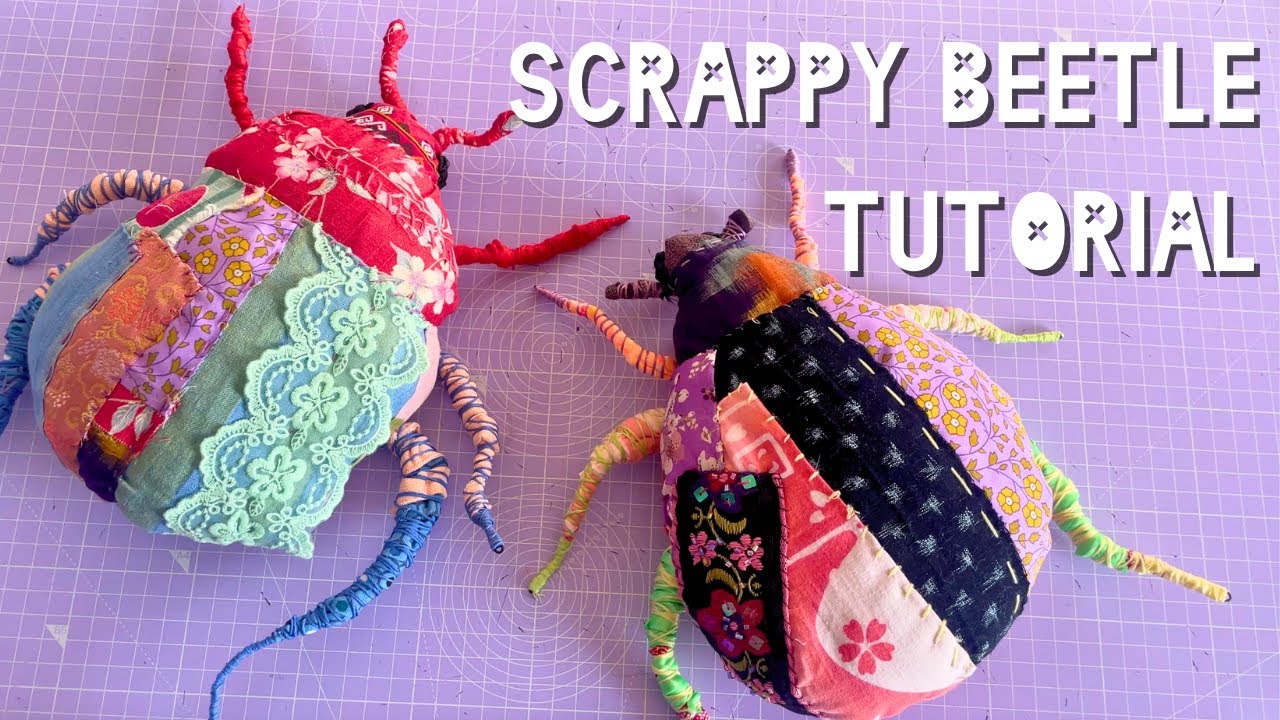
Introduce basic sewing with large, blunt needles, and thick thread or yarn. Children can create simple projects like small pillows or stuffed animals. Sewing enhances concentration and fine motor skills while introducing practical life skills.
Watercolor Exploration
Set up a watercolor painting station with brushes, water, and paper. Encourage children to experiment with colors and techniques, such as wet-on-wet or dry brush. This activity fosters a love for art and allows for free expression.
Recycled Art Creations
Provide a variety of recyclable materials like cardboard, bottle caps, and fabric scraps. Encourage children to build sculptures or collages, promoting creativity and an understanding of sustainability.
Creating an Ideal Crafting Environment
To maximize the benefits of Montessori-inspired craft activities, create an environment that supports creativity and independence:
Organized and Accessible Materials
Organize materials in labeled bins or baskets, making them easily accessible to children. A tidy and organized space encourages children to explore and experiment freely.
Inviting and Inspiring Space
Design a crafting area that is inviting and inspiring. Use natural light, calming colors, and display art and nature items to create a stimulating environment.
Freedom to Explore
Allow children the freedom to explore materials and ideas without strict guidelines or expectations. Encourage them to follow their interests and pursue their creative visions.
Provide Guidance, Not Instruction
Offer guidance and support when needed, but resist the urge to provide step-by-step instructions. Allow children to learn through trial and error, fostering independence and confidence.
Conclusion
Montessori-inspired craft activities offer a rich and rewarding way to boost creativity in children. By providing opportunities for hands-on exploration, self-expression, and independent thinking, these activities nurture a love for learning and creativity. As children engage in crafting, they develop essential skills that will serve them throughout their lives. By creating an environment that encourages exploration and creativity, we can help our children grow into confident, imaginative, and independent individuals.
#ChatGPT assisted in the creation of this article.