


Embroidery is an age-old art form that has been used to adorn fabric with intricate designs and textures. From the delicate threads of ancient China to the bold patterns of modern streetwear, embroidery has evolved into a versatile craft that allows artisans to express their creativity in countless ways. Whether you are a seasoned stitcher or a beginner eager to learn, mastering embroidery can transform ordinary fabric into a canvas of art.
The Basics of Embroidery
Before diving into complex designs, it’s essential to understand the basics of embroidery. This includes familiarizing yourself with the types of threads, needles, and fabrics best suited for the craft.
Choosing the Right Materials
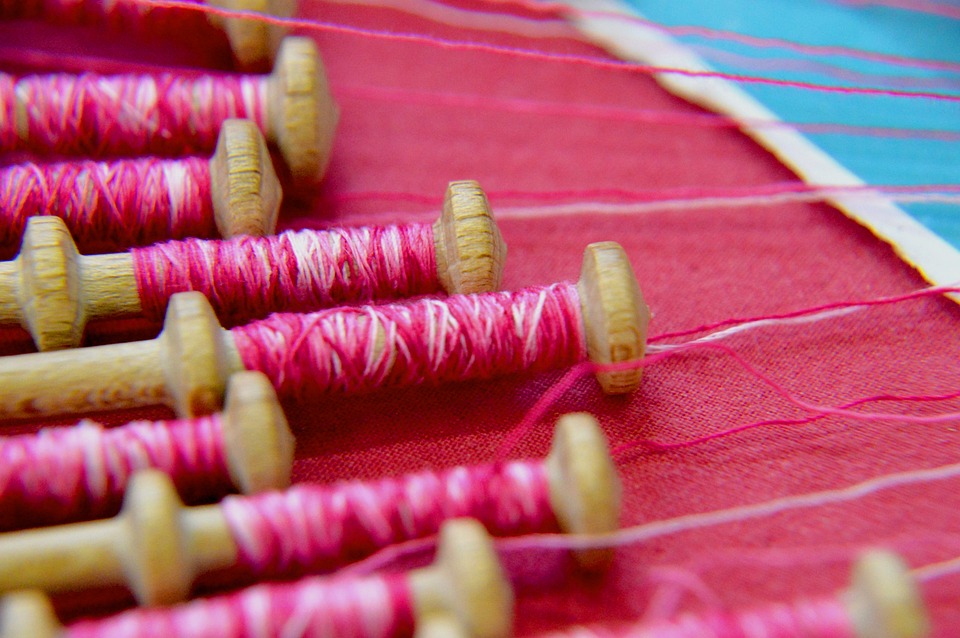
Selecting the appropriate materials is crucial for successful embroidery. The type of fabric you choose will influence the overall look and durability of your project. Common choices include cotton, linen, and silk, each offering a unique texture and finish. Threads come in various materials such as cotton, silk, and metallic, with a broad palette of colors to choose from. The needle’s size and type will depend on the thickness of the fabric and thread.
Understanding Basic Stitches
Mastering basic stitches is the foundation of embroidery. Some essential stitches include:
– **Backstitch**: Ideal for outlining designs and creating straight lines.
– **Chain Stitch**: Provides a textured line and is perfect for borders.
– **Satin Stitch**: Used to fill in spaces with solid color.
– **French Knot**: Adds dimension and texture to your design.
Practicing these stitches will enable you to tackle more complex patterns with confidence.
Transforming Fabric with Creative Stitches
Once you have a grasp of the basic stitches, you can begin to experiment with more creative techniques to transform your fabric into a masterpiece.
Exploring Advanced Techniques
– **Shading and Blending**: By using different shades of the same color, you can create a gradient effect that adds depth and dimension to your embroidery. This technique is often used in floral designs and portraits.
– **Textured Stitches**: Incorporating stitches like the bullion knot or the fishbone stitch can add a 3D effect to your embroidery, making elements like petals or leaves appear more lifelike.
– **Incorporating Beads and Sequins**: Adding embellishments such as beads and sequins can make your embroidery sparkle and stand out. This is particularly effective in pieces intended for evening wear or festive occasions.
Designing Your Own Patterns
Creating your own patterns is a rewarding way to personalize your embroidery projects. Start with a simple sketch and consider how different stitches can enhance the design. Use tracing paper to transfer your design onto the fabric, and experiment with colors and textures to bring your vision to life.
Applications of Embroidery
Embroidery is not just confined to decorative pieces; it has practical applications in various fields.
Fashion and Apparel
Embroidery can elevate clothing from basic to bespoke. Whether it’s a monogram on a shirt cuff or an elaborate design on a jacket, embroidery adds a personal touch to garments. Designers often use embroidery to add unique elements to their collections, making them stand out in the fashion industry.
Home Décor
From throw pillows to table runners, embroidery can transform home décor items into custom pieces that reflect your style. Using colors and patterns that complement your interior design can create a cohesive and inviting atmosphere.
Art and Gifts
Embroidered art pieces make for unique and thoughtful gifts. Whether it’s a framed embroidery piece or a personalized handkerchief, the effort and creativity involved make embroidered gifts cherished keepsakes.
Tips for Mastering Embroidery
Here are some tips to help you master the art of embroidery:
– **Practice Regularly**: Like any skill, practice is key to improvement. Dedicate time each week to practice new stitches and techniques.
– **Stay Inspired**: Follow embroidery artists on social media, join online forums, or attend local workshops to stay motivated and inspired.
– **Experiment**: Don’t be afraid to try new stitches or materials. Experimentation can lead to unexpected and beautiful results.
– **Keep Your Tools Sharp**: Ensure your needles are sharp and your scissors are clean for precise and clean embroidery work.
Conclusion
Embroidery is a craft that combines skill, creativity, and patience. By mastering the basics and exploring creative stitches, you can transform fabric into a work of art. Whether used for fashion, home décor, or personal expression, embroidery offers endless possibilities to embellish and enhance the world around you. As you continue to practice and experiment with new techniques, you will find that the art of embroidery is not only a rewarding hobby but also a powerful form of self-expression.
#ChatGPT assisted in the creation of this article.