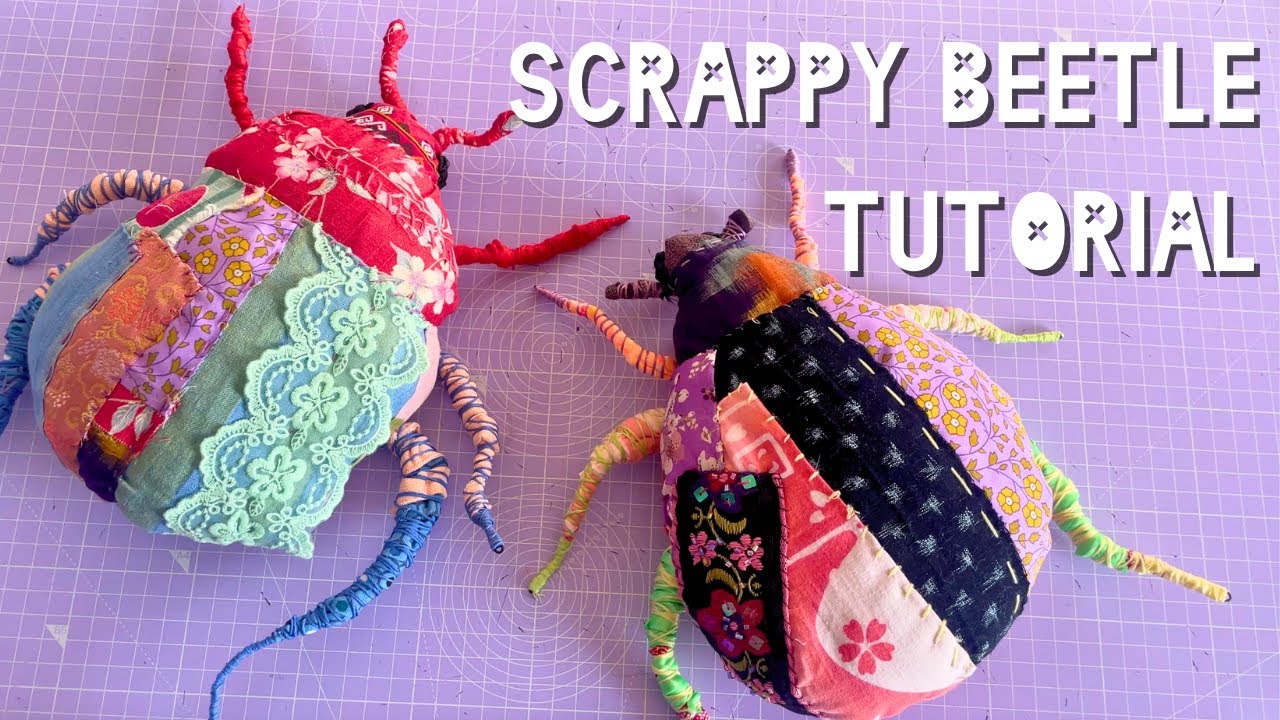





In the thriving world of handmade businesses, standing out amidst a sea of competitors can be a daunting task. One of the most effective ways to ensure your products catch the eye of potential customers is through high-quality photography. Mastering handmade product photography is not only about showcasing your craftsmanship but also about optimizing your images to rank well on Google. In this article, we’ll explore the intricacies of capturing stunning product photos and how to ensure they contribute to achieving top search engine rankings.
The Importance of Quality Photography in E-commerce
In the digital marketplace, your product images are often the first interaction a customer has with your brand. High-quality, well-composed photos can significantly impact a buyer’s decision-making process. They serve as a silent salesperson, conveying your product’s value and quality. Moreover, with Google’s emphasis on visual content, optimized images can enhance your site’s SEO, driving more traffic and increasing sales.
Understanding the Basics of Handmade Product Photography
Lighting: The Backbone of Great Photography
Lighting is arguably the most crucial element of photography. For handmade products, natural light is often the best option as it provides a soft, even illumination that highlights textures and colors. Shooting near a window or outdoors on a cloudy day can yield excellent results. If natural light isn’t available, consider investing in softbox lights or LED panels to mimic the effect.
Composition: Guiding the Viewer’s Eye
Composition involves arranging the elements within your frame to guide the viewer’s eye and highlight your product. The rule of thirds, leading lines, and framing are essential techniques to master. Experiment with different angles and perspectives to find the most flattering view of your product.
Background: Complementing Your Product
A cluttered or distracting background can detract from your product. Use simple, neutral backdrops to ensure your handmade item remains the focal point. Textured backgrounds, like wood or fabric, can add an organic feel that complements handmade goods. Ensure the background enhances rather than overwhelms your product.
Advanced Techniques for Stunning Product Photos
Macro Photography for Detailed Shots
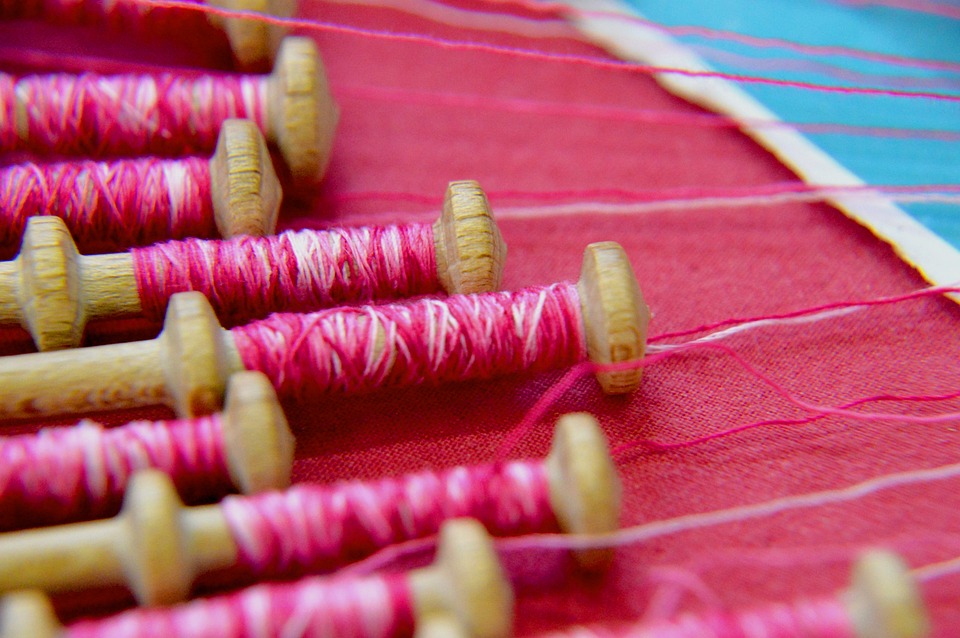
For intricate details, such as stitching or engraving, macro photography is invaluable. This technique allows you to capture close-up shots that showcase the craftsmanship of your product. Use a macro lens or a smartphone with macro capabilities to achieve sharp, detailed images.
Using Props to Tell a Story
Props can add context and tell a story about your product. Select props that are relevant and complementary to your item. For instance, a handmade ceramic mug might be paired with coffee beans or a steaming cup of coffee to evoke a cozy atmosphere. Be careful not to overcrowd the frame; the product should always be the star.
Post-Processing: Refining Your Images
Editing software like Adobe Lightroom or Photoshop can enhance your images by adjusting brightness, contrast, and color balance. Post-processing should be used to refine and polish your photos, not to misrepresent your product. Consistent editing styles can also help establish a cohesive brand aesthetic.
Optimizing Product Photos for SEO
File Naming and Alt Text
Before uploading your images, rename them with descriptive, keyword-rich filenames. Instead of “IMG_1234.jpg,” use “handmade-blue-ceramic-mug.jpg.” Alt text provides a text alternative for search engines, so include relevant keywords that describe the image for better SEO performance.
Image Size and Format
Large image files can slow down your website, negatively impacting user experience and SEO. Compress images to reduce file size without compromising quality. Use modern formats like WebP for faster loading times. Tools like TinyPNG or ImageOptim can assist in optimizing your images.
Structured Data and Image Sitemaps
Implementing structured data markup can help search engines understand the content of your images, potentially improving their visibility in search results. Additionally, creating an image sitemap can guide search engines to index your images more effectively, enhancing your SEO strategy.
Utilizing Social Media and Online Platforms
Leveraging Social Media for Exposure
Platforms like Instagram and Pinterest are visually-driven and ideal for showcasing handmade products. Use high-quality images consistently across these platforms to reach a wider audience. Engage with your followers through stories, reels, and live sessions to build a community around your brand.
Collaborating with Influencers
Partnering with influencers who share your brand’s aesthetic can expand your reach and credibility. Influencers can provide authentic reviews and showcase your products to their followers, driving traffic to your site. Ensure that their audience aligns with your target market for optimal results.
Maintaining Consistency Across Platforms
Branding Your Images
Consistency in image style and branding is crucial for recognition. Develop a signature style through consistent lighting, composition, and post-processing. Consider adding a subtle watermark or logo to your images to reinforce brand identity.
Regular Updates and Refreshes
Keep your product images fresh by updating them regularly. Seasonal changes, new product lines, or improved photography skills warrant an update. Regularly refreshed content signals to search engines that your site is active, potentially boosting your rankings.
Conclusion
Mastering handmade product photography is a blend of art and strategy. By focusing on quality photography and optimizing your images for SEO, you can significantly enhance your handmade business’s online presence. Remember, your product photos are not just a reflection of your craftsmanship but a powerful tool to drive traffic and sales. With the right techniques and a bit of creativity, you can capture images that not only dazzle your customers but also climb the ranks of Google search results.
#ChatGPT assisted in the creation of this article.