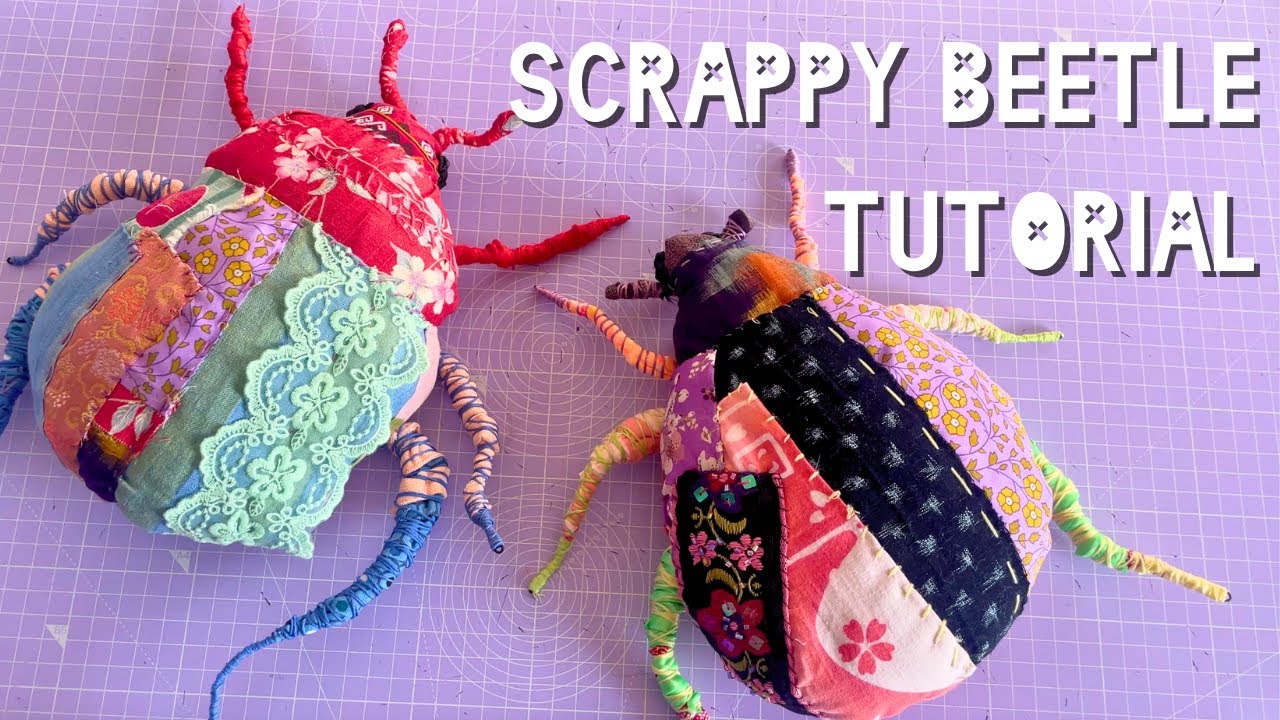



Sewing is a timeless craft that offers endless possibilities for creativity and self-expression. Whether you’re looking to make your own clothes, gifts, or home decor items, learning to sew is an incredibly rewarding skill. For beginners, however, the world of sewing can seem daunting. With the right guidance and a few simple projects, you can ease into this craft and develop your skills over time. This article provides essential sewing tips for beginners, along with a selection of easy projects to help you get started.
Getting Started with Sewing
Gather Your Supplies
Before you begin sewing, it’s important to gather the necessary supplies. As a beginner, you don’t need to invest in the most expensive equipment. Start with the basics, and upgrade as your skills improve:
- Sewing Machine: A basic, reliable sewing machine is all you need to start. Look for one with essential stitches and features.
- Fabric: Choose fabrics that are easy to work with, such as cotton or polyester blends. Avoid slippery or stretchy fabrics at first.
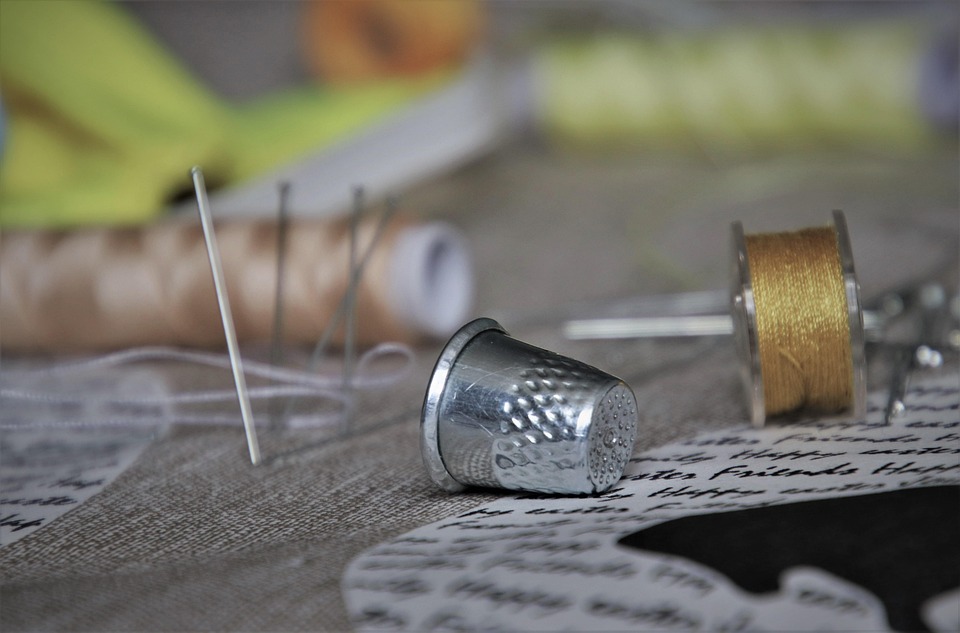
- Sewing Kit: This should include scissors, needles, pins, a tape measure, and a seam ripper.
- Thread: Opt for all-purpose polyester thread, which is strong and versatile for most projects.
- Iron and Ironing Board: Pressing your fabric before and after sewing ensures a professional finish.
Understand Your Sewing Machine
Familiarize yourself with your sewing machine by reading the manual and practicing basic operations. Learn how to thread the machine, wind the bobbin, and adjust the tension. Getting comfortable with these functions will make sewing more enjoyable and less frustrating.
Master Basic Sewing Techniques
Before diving into projects, practice some basic sewing techniques. Start with straight and zigzag stitches, as they are the foundation for most sewing projects. Practice sewing straight lines on scrap fabric to build your confidence and precision.
Easy Projects to Start
Project 1: Simple Tote Bag
A tote bag is an excellent first project for beginners. It’s practical, customizable, and teaches essential sewing skills, including cutting, sewing straight lines, and creating handles.
- Materials Needed: 1 yard of fabric, matching thread, scissors, measuring tape, and pins.
- Instructions: Cut two rectangles of fabric (15 inches by 18 inches). Sew the sides and bottom together, leaving the top open. Create and attach handles using strips of fabric (4 inches by 22 inches). Turn the bag right side out and press seams flat.
Project 2: Envelope Pillowcase
Pillowcases are an excellent way to add a personal touch to your home decor. This project is simple and requires only basic sewing skills.
- Materials Needed: 1 yard of fabric, matching thread, scissors, measuring tape, and pins.
- Instructions: Cut one piece of fabric (17 inches by 44 inches). Fold the fabric with the right sides together to form an envelope, leaving an overlap of 6 inches. Sew the sides, turn the case right side out, and press.
Project 3: Fabric Scrunchies
Scrunchies are a fun and fashionable accessory that are easy to make. They offer a great way to use up fabric scraps.
- Materials Needed: Fabric scraps (4 inches by 18 inches), elastic (1/4 inch wide), matching thread, a safety pin, and scissors.
- Instructions: Fold the fabric lengthwise with right sides together. Sew along the long edge, creating a tube. Turn the tube right side out. Thread the elastic through the tube using a safety pin, then sew the ends of the elastic together. Finally, sew the ends of the fabric tube together.
Tips for Successful Sewing
Take Your Time
Patience is key in sewing. Don’t rush through projects; take the time to measure and cut accurately. This attention to detail will result in a more professional finish and less frustration down the road.
Practice Regularly
Like any skill, sewing improves with practice. Set aside regular time to work on projects and practice new techniques. As you gain experience, you’ll find that your speed and precision will naturally improve.
Learn from Mistakes
Mistakes are a natural part of the learning process. Don’t be discouraged if things don’t turn out perfectly at first. Use mistakes as learning opportunities to refine your skills. A seam ripper is your best friend in these situations!
Seek Inspiration and Guidance
Join sewing communities online or in-person to find inspiration and get advice. Websites, blogs, and social media platforms offer countless tutorials and project ideas. Engaging with a community can help you stay motivated and inspired.
Conclusion
Sewing is a rewarding and practical skill that anyone can learn. By starting with simple projects and gradually building your skills, you’ll gain confidence and discover the joy of creating handmade items. Remember to take your time, practice regularly, and learn from your mistakes. With these sewing tips and easy projects, you’re well on your way to becoming a skilled sewist. Embrace the journey and enjoy the process of bringing your creative visions to life.
#ChatGPT assisted in the creation of this article.