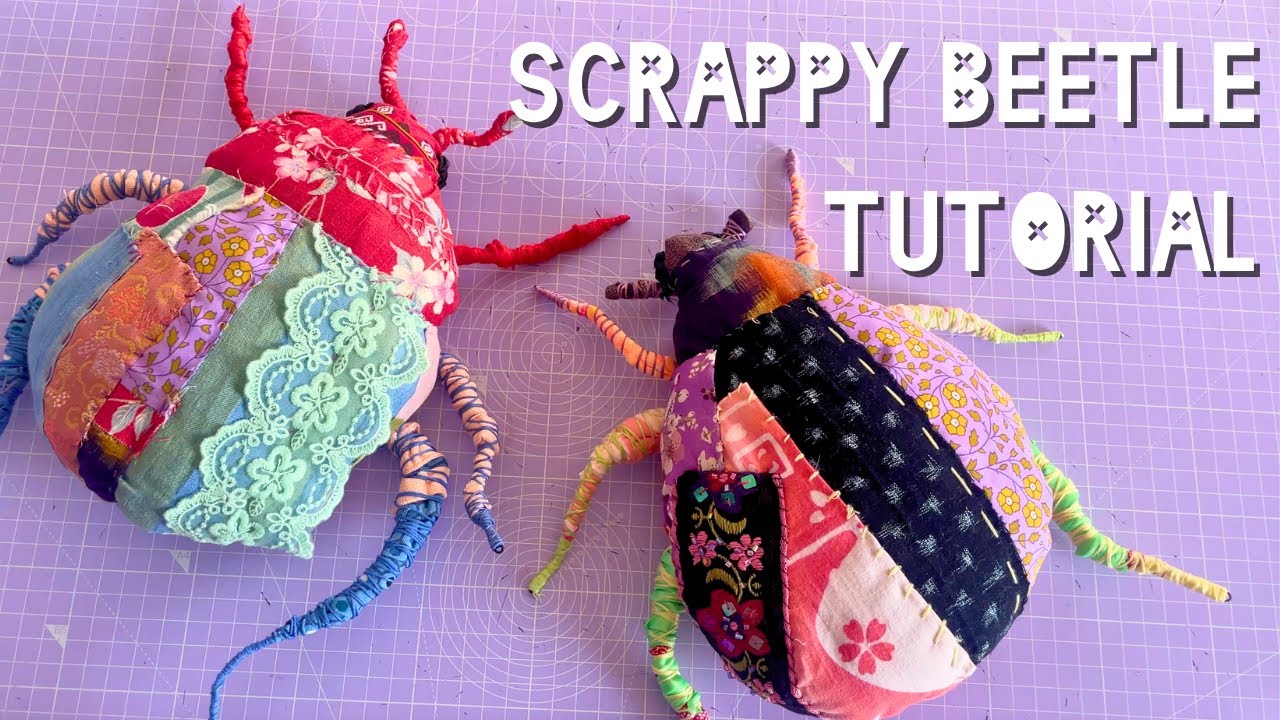





In the age of e-commerce, the demand for unique, handmade products is on the rise. Consumers are increasingly seeking out personalized, artisanal goods that stand apart from mass-produced items. For creative entrepreneurs, this presents a lucrative opportunity to sell DIY products online. Here, we explore some of the top DIY products that can be crafted and sold for a profit, as well as tips on how to succeed in this growing market.
1. Handmade Jewelry
Jewelry making is a timeless craft that continues to captivate customers. From beaded bracelets to intricate wire-wrapped pendants, handmade jewelry offers endless creative possibilities. This versatility allows artisans to cater to various tastes and trends, making it a consistently popular choice for online sales.
Materials and Tools
To create handmade jewelry, you’ll need basic tools like pliers, wire cutters, and a soldering iron. Materials can range from precious metals and gemstones to more affordable options like beads, leather, and clay. The initial investment is relatively low, making it accessible for beginners.
Marketing Tips
To stand out in the crowded jewelry market, focus on developing a unique style or niche. Consider creating collections that tell a story or incorporate meaningful symbols. Utilize social media platforms like Instagram and Pinterest to showcase your work and engage with potential customers.
2. Homemade Candles
Candles are a staple in many households, valued for their ambiance and fragrance. Homemade candles offer the opportunity to experiment with different scents, colors, and container styles, allowing for a high degree of customization.
Materials and Tools
Basic candle-making supplies include wax (soy, beeswax, or paraffin), wicks, fragrance oils, and molds or containers. Many of these materials can be purchased in bulk, reducing overall costs and increasing profit margins.
Marketing Tips
Emphasize the unique aspects of your candles, such as eco-friendly materials or signature scents. Offer seasonal or themed collections to attract repeat customers. Creating visually appealing packaging can also enhance the perceived value of your candles.
3. Personalized Stationery and Paper Goods
In a digital world, the charm of personalized stationery and paper goods remains undiminished. From custom greeting cards to elegant notebooks, these items make thoughtful gifts and can be tailored to specific occasions or themes.
Materials and Tools
Essential supplies include quality paper, envelopes, and printing equipment. Additional embellishments such as stamps, embossing tools, and calligraphy pens can add a unique touch. Digital design software is also useful for creating custom graphics and layouts.
Marketing Tips
Focus on creating designs that resonate with your target audience. Utilize platforms like Etsy and Amazon Handmade to reach a wider customer base. Offering customization options, such as personalized names or messages, can increase the appeal of your products.
4. DIY Home Decor Items
With the rise of interior design trends on social media, DIY home decor items have gained significant popularity. Products such as wall art, decorative pillows, and planters can enhance any living space, providing a profitable niche for creative entrepreneurs.
Materials and Tools
Depending on the specific product, materials might include wood, fabric, paint, and other crafting supplies. A variety of tools, from sewing machines to power drills, may also be necessary for different projects.
Marketing Tips
Keep an eye on current home decor trends and adapt your products accordingly. Use high-quality images to showcase your items in a home setting. Collaborate with interior designers or influencers to reach a broader audience.
5. Natural and Organic Beauty Products
As consumers become more conscious of the ingredients in their skincare products, the demand for natural and organic beauty items continues to grow. DIY beauty products, such as lip balms, bath bombs, and face masks, offer a healthier alternative to commercial brands.
Materials and Tools
Key ingredients include essential oils, natural butters (like shea or cocoa), and organic additives like oats or dried herbs. Basic kitchen equipment, such as mixing bowls and measuring spoons, is often sufficient for creating these products.
Marketing Tips
Highlight the natural and organic aspects of your products, as well as any benefits they offer (e.g., moisturizing, anti-aging). Consider offering sample sizes or bundles to encourage customers to try multiple items. Building a brand around transparency and sustainability can foster trust and loyalty.
6. Custom Apparel and Accessories
Custom apparel and accessories, such as screen-printed t-shirts, embroidered hats, and hand-painted shoes, provide a platform for self-expression and individuality. These products are particularly appealing to niche markets and subcultures.
Materials and Tools
Depending on the technique, you may need screen-printing equipment, embroidery machines, or fabric paints. High-quality blank apparel items serve as the canvas for your designs.
Marketing Tips
Identify and target specific audiences that align with your brand’s aesthetic. Use social media to share behind-the-scenes content and connect with potential customers. Limited edition releases or collaborations with artists can create buzz and increase demand.
7. Eco-Friendly Products
With growing environmental awareness, consumers are increasingly drawn to eco-friendly products. Items such as reusable shopping bags, beeswax wraps, and bamboo utensils offer sustainable alternatives to single-use plastics.
Materials and Tools
Focus on using sustainable materials like organic cotton, bamboo, and recycled fabrics. Basic sewing or crafting tools may be needed, depending on the product.
Marketing Tips
Emphasize the environmental benefits of your products, such as reducing waste or supporting sustainable practices. Engage with eco-conscious communities and leverage platforms like Instagram to showcase your commitment to sustainability.
Conclusion
The market for DIY products is vast and varied, offering numerous opportunities for creative entrepreneurs to turn their passion into profit. By focusing on quality, uniqueness, and effective marketing strategies, you can establish a successful online business selling handmade goods. As the demand for personalized, artisanal items continues to grow, now is the perfect time to explore the world of DIY products and carve out your niche in this thriving industry.
#ChatGPT assisted in the creation of this article.