


In today’s fast-paced digital world, encouraging children to engage in hands-on activities is more important than ever. DIY crafts and activities not only enhance creativity and fine motor skills but also provide an excellent opportunity for family bonding. Whether you’re a parent, teacher, or caregiver, this comprehensive guide will introduce you to a variety of DIY activities designed to spark imagination and creativity in children of all ages.
1. The Magic of Nature: Leaf Art Creations
Nature provides an endless supply of materials for creative projects. Leaf art is a fantastic way to teach children about the natural world while enhancing their artistic skills.
Materials Needed:
- Various shapes and sizes of leaves
- Watercolor paints or acrylics
- Paintbrushes
- Paper or canvas
- Glue
Instructions:
Begin by taking a nature walk with your child to collect a variety of leaves. Once back home, let them wash and dry the leaves. Encourage them to paint the leaves using watercolors or acrylics, experimenting with different colors and patterns. Once the paint is dry, they can arrange and glue the leaves onto paper or canvas to create a stunning collage. This activity not only fosters artistic skills but also teaches children about different leaf shapes and species.
2. Recycled Art: Turning Trash into Treasure
Recycled art projects are a wonderful way to teach children the importance of sustainability while inspiring creativity.
Materials Needed:
- Unused cardboard boxes
- Plastic bottles
- Old magazines
- Scissors
- Glue and tape
Instructions:
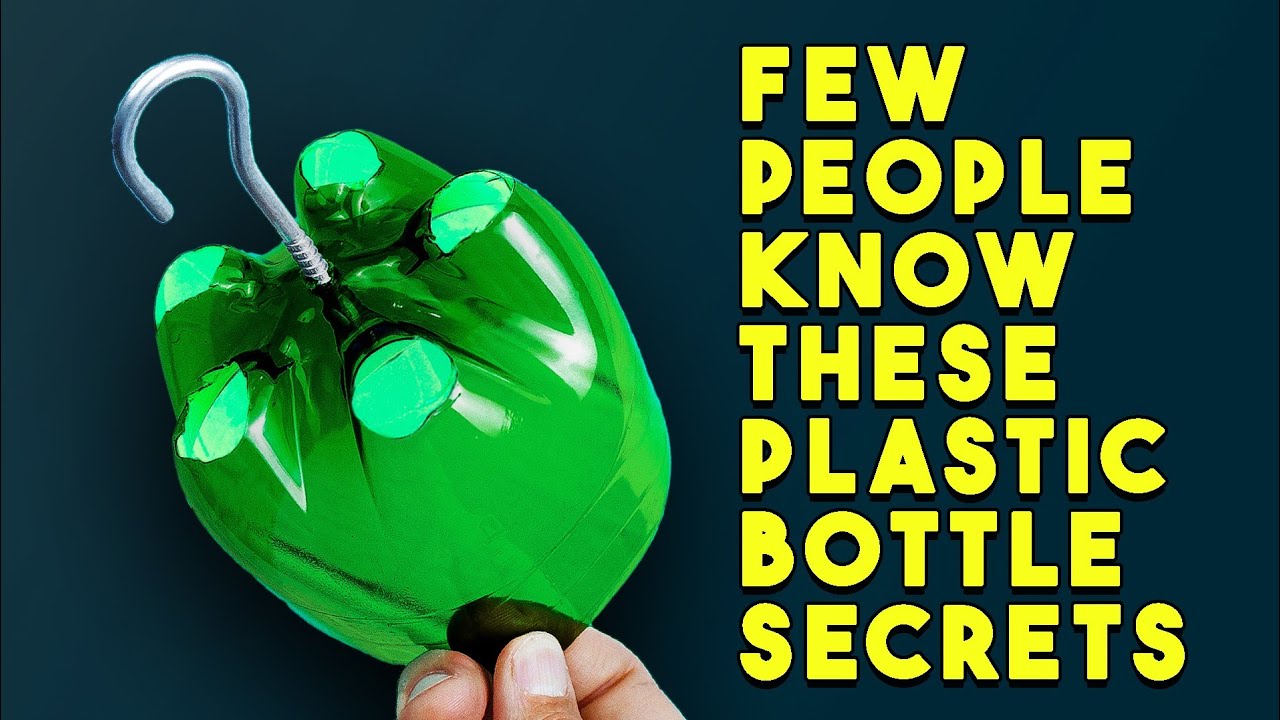
Gather various recyclable materials such as cardboard, plastic bottles, and old magazines. Challenge your child to create a sculpture or model using these materials. They can cut, tape, and glue pieces together to form imaginative creations, such as robots, animals, or abstract art. This activity not only stimulates creativity but also emphasizes the importance of recycling and environmental responsibility.
3. Homemade Playdough: A Sensory Delight
Playdough is a classic childhood favorite that offers endless hours of sensory fun. Making homemade playdough is a simple and rewarding activity that allows children to participate in the creation process.
Materials Needed:
- 1 cup of flour
- 1/4 cup of salt
- 1/2 cup of water
- Food coloring
- Mixing bowl
Instructions:
In a mixing bowl, combine the flour and salt. Gradually add water and mix until the dough reaches the desired consistency. If the dough is too sticky, add more flour. Divide the dough into separate portions and add a few drops of food coloring to each, kneading until the color is evenly distributed. This activity not only encourages creativity but also strengthens fine motor skills and provides a tactile sensory experience.
4. Story Stones: Ignite Imagination
Story stones are a unique and interactive way to promote storytelling and imaginative play among children.
Materials Needed:
- Small, smooth stones
- Acrylic paints
- Paintbrushes
- Clear sealant spray
Instructions:
Collect small stones and wash them thoroughly. Once dry, use acrylic paints to decorate each stone with different characters, animals, or objects. Allow the paint to dry completely and then seal with a clear spray to protect the designs. Encourage your child to create stories by arranging and rearranging the stones. This activity enhances storytelling skills, vocabulary, and creative thinking.
5. DIY Musical Instruments: Create Your Own Band
Making musical instruments at home is a fun and educational way to introduce children to the world of music.
Materials Needed:
- Empty tissue boxes
- Rubber bands
- Paper towel rolls
- Rice or dried beans
- Decorative materials (stickers, markers, etc.)
Instructions:
Help your child create a guitar by stretching rubber bands around an empty tissue box. For a rainstick, seal one end of a paper towel roll, fill it with rice or beans, and seal the other end. Decorate the instruments with stickers or markers. Encourage your child to experiment with different sounds and rhythms. This activity not only stimulates creativity but also introduces basic musical concepts and rhythm.
6. Paper Mache Creations: Sculpt Your Imagination
Paper mache is a versatile craft that allows children to create three-dimensional art using simple materials.
Materials Needed:
- Old newspapers
- Flour and water paste or glue
- Balloons or cardboard forms
- Paints
- Paintbrushes
Instructions:
Start by tearing newspapers into strips. Mix equal parts flour and water to create a paste, or use glue. Inflate a balloon or create a form using cardboard. Dip the newspaper strips into the paste and layer them onto the form. Allow the paper mache to dry completely before painting and decorating. This activity encourages creativity, patience, and planning skills.
7. Friendship Bracelets: Weave Together Creativity and Connection
Friendship bracelets are not only a fun craft but also a thoughtful way for children to express friendship and appreciation.
Materials Needed:
- Embroidery floss or yarn
- Scissors
- Beads (optional)
Instructions:
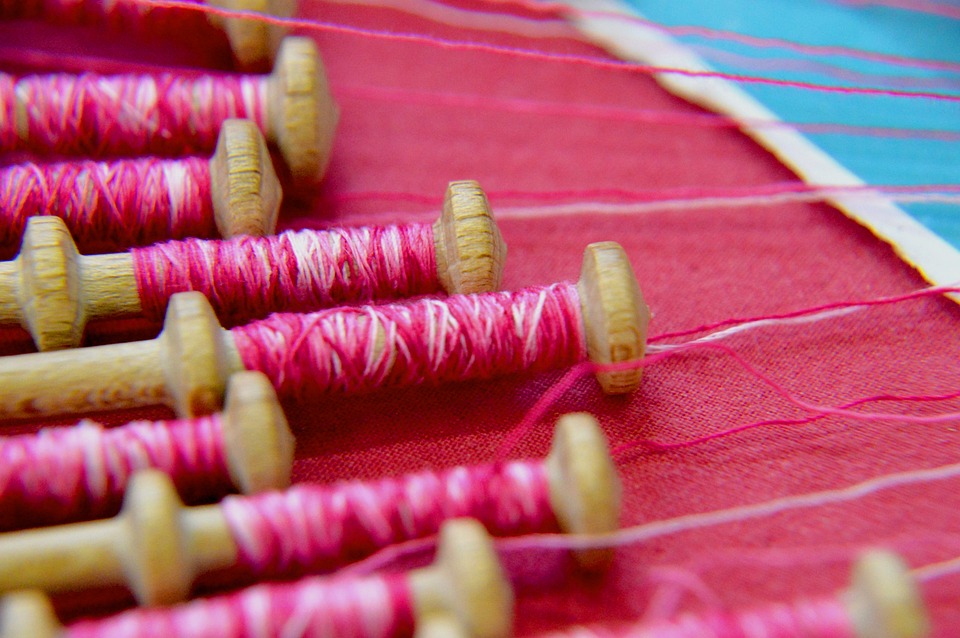
Cut several strands of embroidery floss to the desired length. Tie a knot at one end and secure it to a surface. Show your child how to create simple braids or more complex patterns. They can also add beads for extra flair. This activity not only enhances fine motor skills but also encourages children to think about color combinations and patterns.
8. DIY Kaleidoscope: Explore a World of Colors
Creating a kaleidoscope is a captivating way to teach children about light and color while engaging their creativity.
Materials Needed:
- Paper towel tube
- Clear plastic wrap
- Colored beads or sequins
- Aluminum foil
- Tape
Instructions:
Line the inside of a paper towel tube with aluminum foil to create a reflective surface. Secure one end with clear plastic wrap and fill the tube with colored beads or sequins. Cover the open end with another piece of plastic wrap. Encourage your child to look through the kaleidoscope and observe the changing patterns and colors. This activity combines art with science, introducing concepts of reflection and symmetry.
Conclusion: Cultivating Creativity and Joy
DIY kid activities offer a wonderful opportunity to nurture creativity, imagination, and valuable skills in children. From exploring nature and recycling materials to crafting musical instruments and kaleidoscopes, these activities provide endless possibilities for learning and fun. By engaging in these hands-on projects, children not only develop artistic abilities but also cultivate problem-solving skills, patience, and appreciation for the world around them. So gather your materials, invite your little ones, and embark on a creative journey filled with laughter, discovery, and unforgettable memories.
#ChatGPT assisted in the creation of this article.