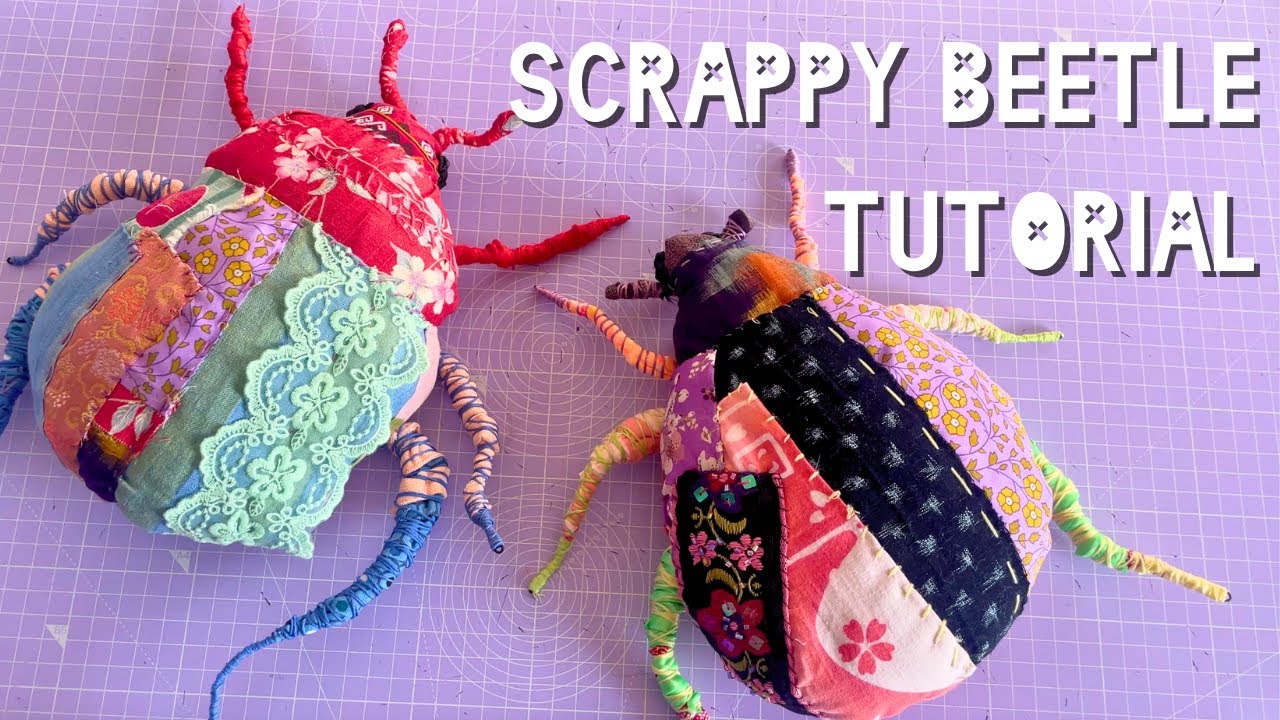

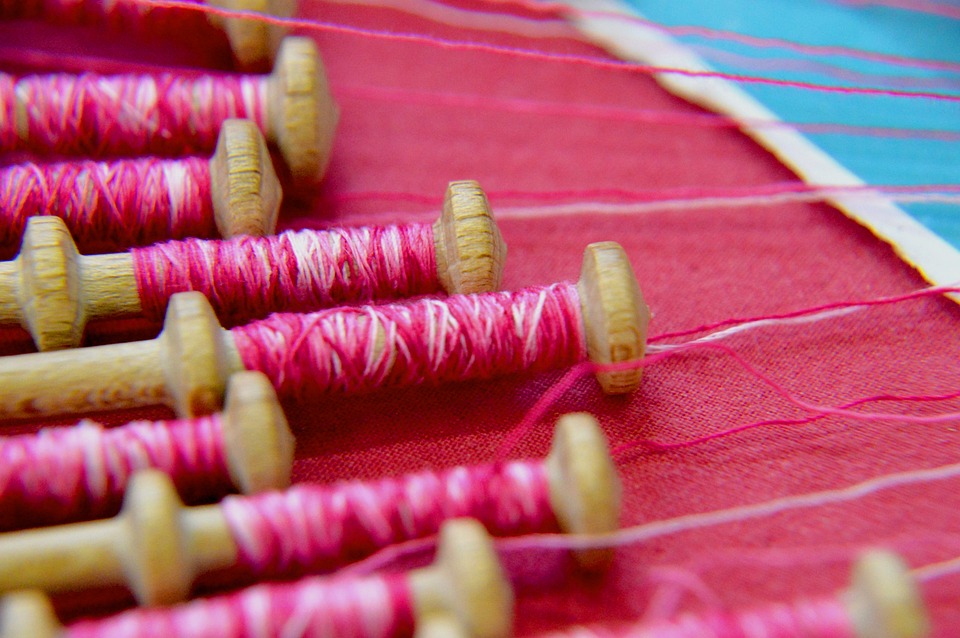



In recent years, there has been a growing awareness of sustainability and eco-friendliness in various sectors, and the world of crafting is no exception. As crafters, we often find ourselves with scraps of fabric, remnants of past projects, or old textiles that no longer serve their original purpose. Rather than letting these materials contribute to landfill waste, innovative fabric recycling offers creative ways to give them new life. In this article, we will explore a range of ideas for transforming discarded fabrics into beautiful, functional, and sustainable crafts.
Why Fabric Recycling Matters
Fabric recycling is an essential component of sustainable crafting. The textile industry is one of the most polluting industries globally, contributing to significant waste and environmental degradation. By recycling fabrics, crafters can help reduce the demand for new textiles, lower their carbon footprint, and promote a more sustainable lifestyle. Moreover, fabric recycling encourages creativity, as crafters are challenged to think outside the box and create unique items from materials that might otherwise be discarded.
Creative Fabric Recycling Ideas
1. Patchwork Quilts
One of the most traditional yet timeless methods of fabric recycling is creating patchwork quilts. This craft involves sewing together small pieces of fabric, often from various sources, to create a larger, cohesive design. Quilts can be as simple or complex as desired, and they serve as a wonderful way to preserve memories from old clothing or favorite fabric scraps. Not only do patchwork quilts provide warmth and comfort, but they also tell a story through their unique compositions.
2. Fabric Baskets
Transforming strips of fabric into sturdy baskets is both practical and visually appealing. Fabric baskets can be woven using a variety of techniques, such as coiling or braiding, and they are perfect for organizing crafts, toys, or household items. To make a fabric basket, start by cutting fabric scraps into strips and then weave them together, securing the ends with a strong thread. The result is a functional storage solution that adds a touch of handmade charm to any space.
3. Upcycled Clothing
Breathing new life into old clothing is a fantastic way to practice sustainable crafting. Instead of discarding garments that are out of style or no longer fit, consider upcycling them into something fresh and wearable. For example, a pair of jeans can be transformed into a trendy tote bag, or an oversized shirt can be refashioned into a stylish dress. Upcycling clothing not only extends the life of the fabric but also allows for personal expression and creativity.
4. Fabric Greeting Cards
Fabric scraps can be used to create unique and personalized greeting cards. By combining fabric with cardstock, crafters can design cards for various occasions, such as birthdays, holidays, or thank-you notes. Simply cut the fabric into shapes or patterns and adhere them to the cardstock using glue or double-sided tape. Adding stitching along the edges can enhance the design and give the card a polished look. Fabric greeting cards are a thoughtful and eco-friendly way to send heartfelt messages.
5. Rag Rugs
Rag rugs are a classic example of functional fabric recycling. These rugs are made by braiding or crocheting strips of fabric together, creating a durable and colorful floor covering. Rag rugs are perfect for high-traffic areas, and they can be made in various sizes and shapes to suit any room. To start, gather fabric scraps, cut them into strips, and braid or crochet them into a rug. The process is relatively simple, and the result is a cozy, handmade addition to any home.
6. Fabric Wall Art
For those looking to add a touch of artistry to their home, fabric wall art is an excellent option. Using fabric scraps, crafters can create stunning wall hangings or framed artworks that showcase their creativity and commitment to sustainability. Techniques such as applique, fabric painting, or embroidery can be used to enhance the design. By arranging fabric pieces into a pleasing composition, crafters can produce unique works of art that serve as conversation starters and focal points in any room.
7. Reusable Fabric Gift Wrap
Incorporating sustainability into gift-giving can be achieved through reusable fabric gift wrap. Instead of using traditional wrapping paper, which often ends up in the trash, consider using fabric scraps to wrap gifts. Fabric wraps can be tied into bows or secured with ribbons, and they can be reused multiple times, reducing waste. Additionally, fabric wraps add a personal and elegant touch to gifts, making them even more special for the recipient.
8. Fabric Jewelry
Fabric scraps can also be transformed into beautiful and unique jewelry pieces. By using techniques such as fabric folding, braiding, or beading, crafters can create earrings, necklaces, bracelets, and more. Fabric jewelry is lightweight, comfortable to wear, and allows for endless creativity and personalization. Whether it’s a statement piece or a subtle accessory, fabric jewelry adds a touch of handmade charm to any outfit.
Tips for Successful Fabric Recycling
To make the most of fabric recycling, consider the following tips:
Organize Your Scraps
Keep your fabric scraps organized by color, size, or material type. This will make it easier to find the right pieces for your projects and minimize waste.
Experiment with Techniques
Don’t be afraid to try new techniques and experiment with different styles. Fabric recycling is all about creativity, so embrace the opportunity to learn and grow as a crafter.
Mix and Match
Combine different fabrics, textures, and patterns to create unique and interesting designs. Mixing and matching materials can lead to unexpected and stunning results.
Share and Collaborate
Connect with other crafters to exchange ideas, materials, and inspiration. Collaborating with others can lead to new insights and opportunities for fabric recycling projects.
Conclusion: Embracing Sustainable Crafting
Innovative fabric recycling is a rewarding and impactful way to contribute to sustainability in the crafting world. By reimagining the potential of discarded fabrics, crafters can create beautiful, functional items that reflect their creativity and commitment to the environment. Whether it’s through patchwork quilts, upcycled clothing, or fabric jewelry, the possibilities for fabric recycling are endless. As we continue to embrace sustainable crafting practices, we can play a part in reducing waste, conserving resources, and promoting a more eco-friendly future. So gather your fabric scraps, unleash your creativity, and start crafting sustainably today.
#ChatGPT assisted in the creation of this article.