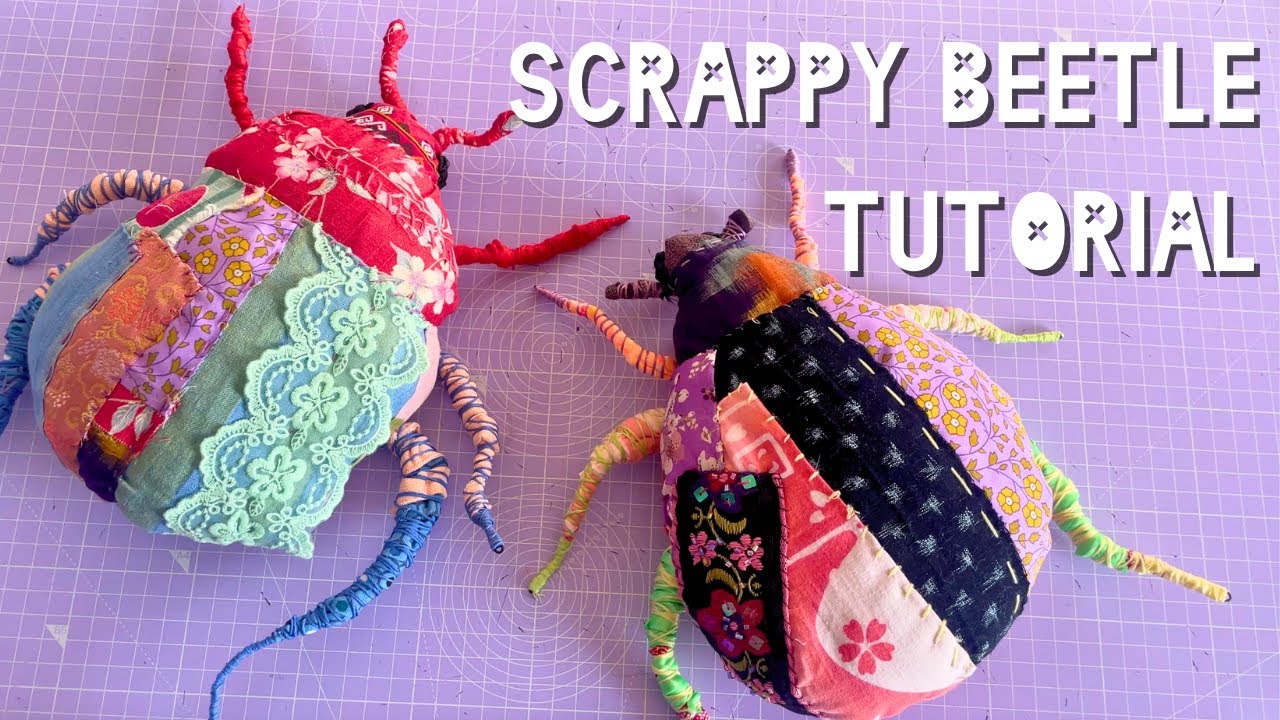


In a world increasingly focused on sustainability and environmental consciousness, the art of upcycling has found its moment in the spotlight. Transforming old or discarded materials into something new and beautiful not only reduces waste but also offers a canvas for creativity to flourish. Among the most versatile mediums for upcycling is fabric, a material abundant in every household. This article delves into transformative upcycled fabric crafts that cater to creative minds eager to make a difference through their handiwork.
The Art of Upcycling
Upcycling is the process of repurposing old or unused items, giving them a second life with enhanced value or functionality. Unlike recycling, which typically breaks items down into raw materials, upcycling preserves the material’s original form, resulting in less energy consumption and waste production. This practice not only encourages creativity but also empowers individuals to contribute to environmental sustainability in a personal and meaningful way.
Why Choose Fabric?
Fabric is particularly well-suited for upcycling due to its ubiquity and versatility. Every household is likely to have a stash of old clothes, linens, or fabric scraps that can be transformed into something new. Additionally, fabric is easy to manipulate, sew, and combine with other materials, making it an ideal medium for a wide range of projects, from fashion accessories to home decor.
Transformative Upcycled Fabric Projects
Pillowcase Tote Bags
One of the simplest yet most rewarding upcycled fabric projects is transforming an old pillowcase into a stylish tote bag. Pillowcases, often overlooked, are pre-hemmed and come in a variety of patterns and colors, providing an ideal starting point for beginners. To create a tote bag, simply fold the pillowcase in half, sew along the sides to create a pocket, and attach handles made from fabric scraps or old belts.
Patchwork Quilts
Patchwork quilts epitomize the spirit of upcycling by combining small fabric pieces into a cohesive design. This project not only uses up fabric scraps but also allows for complete creative freedom in terms of color, pattern, and texture. Beginners can start with simple square designs, while more experienced quilters may experiment with intricate patterns and shapes. Patchwork quilts are perfect for adding a touch of warmth and personality to any space.
Fabric Baskets
Fabric baskets are both practical and decorative, providing a stylish solution for organizing household items. By weaving strips of fabric, such as old t-shirts or denim, into a sturdy basket shape, you can create a variety of sizes for different needs. These baskets can be used for storing anything from craft supplies to laundry, making them a versatile addition to any room.
Rag Rugs
Rag rugs are a classic upcycling project that transforms fabric scraps into functional floor coverings. By braiding or weaving strips of fabric, you can create colorful, textured rugs that add character and warmth to any room. This project is particularly effective for repurposing worn-out clothing, as the varying colors and textures contribute to the rug’s unique appearance.
Fabric Wall Art
For those looking to make a statement with their upcycling efforts, fabric wall art offers endless possibilities. By stretching fabric over a wooden frame or embroidery hoop, you can create vibrant, textured pieces that enhance your home decor. Consider incorporating elements such as embroidery, appliqué, or mixed media to add depth and interest to your artwork.
Clothing Revamp
Upcycling doesn’t always mean creating something entirely new; sometimes it’s about breathing new life into existing garments. Simple alterations, such as adding embellishments, altering hemlines, or combining fabrics, can transform outdated clothing into fashionable pieces. This approach not only extends the life of your wardrobe but also provides a platform for personal expression and style.
Tips for Successful Upcycling
Start Small
For beginners, it’s best to start with small projects that can be completed quickly. This approach helps build confidence and skills without the risk of becoming overwhelmed. As you gain experience, you can tackle larger, more complex projects.
Embrace Imperfection
Part of the charm of upcycled crafts is their unique, handmade quality. Don’t be discouraged by minor imperfections; instead, embrace them as part of the creative process. These quirks often add character and individuality to your projects.
Experiment with Techniques
Upcycling offers an opportunity to experiment with new techniques and materials. Whether it’s learning to sew, crochet, or embroider, each project can be a learning experience that enhances your skill set and sparks new ideas.
Involve the Community
Upcycling doesn’t have to be a solitary activity. Consider organizing workshops or craft nights with friends, family, or local community groups to share ideas and collaborate on projects. This not only amplifies the creative process but also fosters a sense of community and shared purpose.
The Environmental Impact
Engaging in upcycled fabric crafts contributes to a larger movement towards sustainability and environmental stewardship. By repurposing materials that might otherwise end up in landfills, crafters reduce waste and conserve resources. Additionally, upcycling reduces the demand for new materials, which in turn minimizes the environmental impact associated with production processes.
Conclusion
Transformative upcycled fabric crafts offer a creative outlet that aligns with the growing need for sustainable practices. By embracing the art of upcycling, individuals can make a positive impact on the environment while exploring their creativity. Whether you are a seasoned crafter or a beginner, there are endless possibilities for transforming old fabric into something beautiful and functional. So gather your fabric scraps, let your imagination run wild, and embark on a journey of creative sustainability.
#ChatGPT assisted in the creation of this article.