


Sewing clothes for children can be a delightful and rewarding experience. Whether you’re a novice or an experienced seamstress, creating custom garments for kids allows you to explore creativity while providing them with unique, personalized attire. With the right techniques and guidance, you can master the art of sewing kids’ clothes. This article will provide expert tips to help you navigate through the process with ease and precision.
Select the Right Fabric
The foundation of any great garment lies in the fabric choice. When sewing for children, comfort and durability should be your top priorities. Look for natural fibers like cotton, linen, or bamboo, which are soft against the skin and breathable. These fabrics are not only comfortable but also easy to work with.
Consider the activity level and climate when choosing fabric weight. Lightweight fabrics are perfect for summer clothes, while heavier fabrics like flannel or fleece are ideal for colder months. Additionally, opt for fun patterns and vibrant colors that will appeal to children and make the sewing process more enjoyable.
Use the Correct Tools
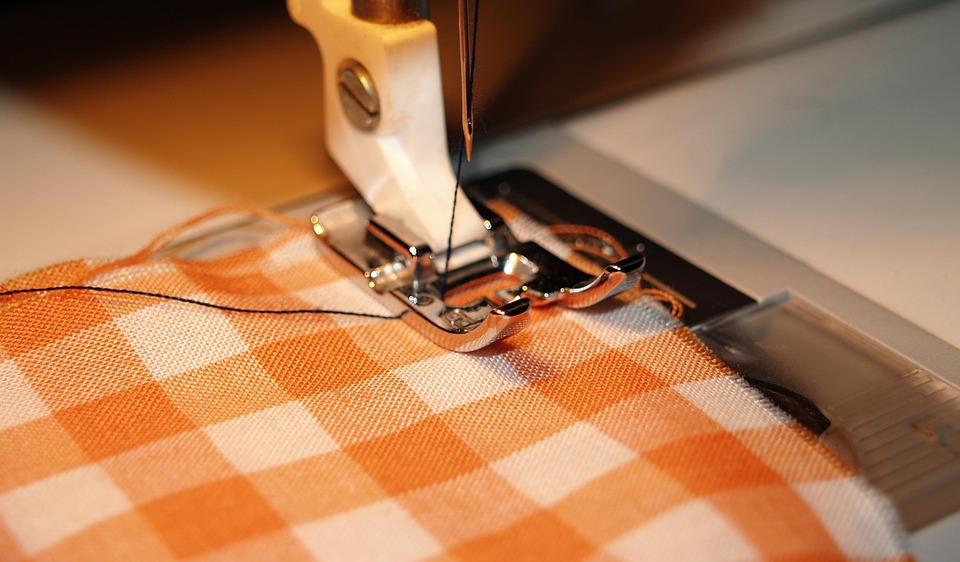
Having the right tools can significantly impact the quality of your sewing projects. Invest in a good quality sewing machine, ideally one with variable stitch lengths and a zigzag stitch option for versatility. Ensure your machine is regularly maintained to avoid any interruptions during your sewing sessions.
Essential tools also include sharp scissors, pins, fabric chalk or a marking pen, and a measuring tape. A rotary cutter and cutting mat can be particularly helpful for precise cutting. Don’t forget to have a seam ripper handy for any mistakes that may need correcting.
Accurate Measurements Are Key
Children grow quickly, so obtaining accurate measurements is crucial for creating garments that fit well. Use a flexible measuring tape to record the child’s chest, waist, hip, and height measurements. For tops, measure the shoulder width and sleeve length. For bottoms, measure the inseam and outseam.
Keep a record of these measurements and update them periodically, especially during growth spurts. When purchasing or drafting patterns, refer to the size chart carefully to ensure the best fit. Remember to account for ease, allowing some extra room for movement and growth.
Choose Simple Patterns
When starting out, opt for simple patterns that are easy to follow and assemble. Many commercial patterns are available specifically for children’s clothing, catering to different skill levels. Look for patterns labeled as “easy” or “beginner-friendly” to build your confidence.
As you gain experience, you can experiment with more complex designs and even try drafting your own patterns. Online platforms and sewing communities offer a wealth of free patterns and tutorials that can inspire and guide you through the process.
Master Basic Sewing Techniques
Having a strong grasp of basic sewing techniques is essential for successful garment construction. Start by familiarizing yourself with straight and zigzag stitches, as they form the basis of most sewing projects. Practice sewing straight lines and curves on scrap fabric to hone your skills.
Learn to sew seams, hems, and finishes, as these are critical components of any garment. French seams, flat-felled seams, and serged finishes are excellent for children’s clothing as they provide durability and a clean finish. Additionally, mastering the art of installing zippers, buttons, and elastic will open up a range of design possibilities.
Prioritize Comfort and Safety
Comfort and safety should always be at the forefront when sewing for children. Avoid using scratchy or stiff fabrics that may irritate the skin. Ensure that seams are smooth and that there are no rough edges that could cause discomfort.
When adding closures, opt for buttons or snaps over hooks or zippers, especially for younger children. If using zippers, ensure they are of high quality and positioned away from sensitive areas. Avoid embellishments like beads or sequins that could pose a choking hazard.
Incorporate Fun and Functionality
One of the joys of sewing for kids is the opportunity to create playful and imaginative designs. Use vibrant colors, quirky prints, and fun trims to make the garments appealing to children. Let your creativity shine by adding appliqués, patches, or embroidery for a personalized touch.
Functionality is equally important, so consider the child’s lifestyle and activities. Add pockets for convenience, or choose fabrics with stretch for ease of movement. Adjustable features like elastic waistbands or drawstrings can accommodate growth and provide a better fit.
Involve Kids in the Process
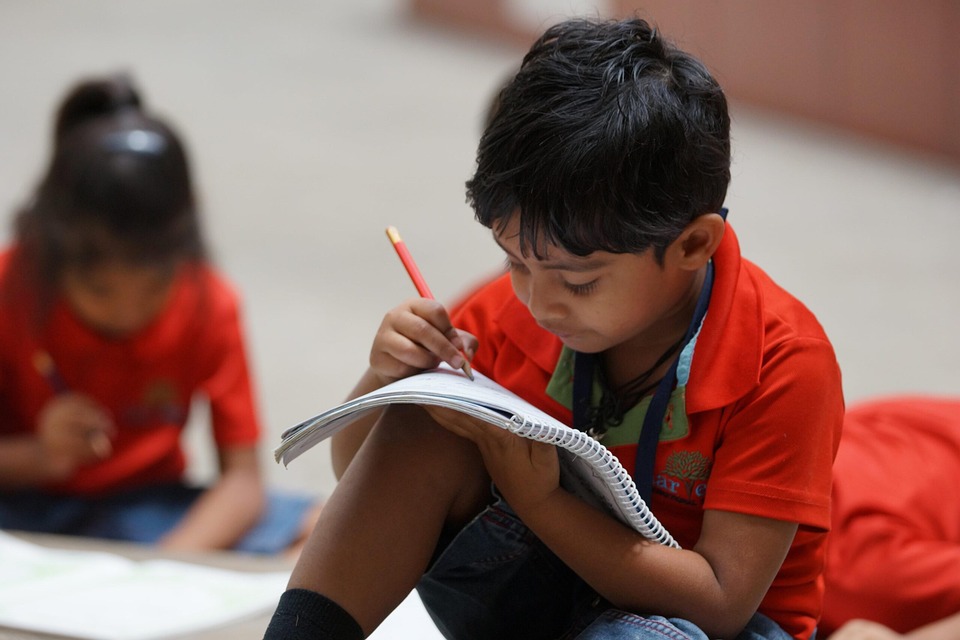
Involving children in the sewing process can be a wonderful bonding experience and ignite their interest in creative pursuits. Let them choose fabrics or patterns, and encourage them to help with simple tasks like pinning or pressing seams. Teaching them basic sewing skills can foster their creativity and independence.
By making them a part of the process, you’ll also gain insights into their preferences, ensuring that the end product is something they’ll love to wear. Remember to be patient and supportive, allowing them to explore their creativity without pressure.
Practice Patience and Perseverance
Sewing, like any craft, requires patience and practice. Don’t be discouraged by mistakes or setbacks. Each project is an opportunity to learn and improve your skills. Set realistic goals and allow yourself the time to enjoy the process without rushing.
Remember that perfection is not the goal; rather, the joy of creating something unique and handmade is what truly matters. Celebrate your successes, no matter how small, and use challenges as stepping stones to grow as a seamstress.
Conclusion
Mastering the art of sewing kids’ clothes is a journey filled with creativity, learning, and joy. By selecting the right materials, honing your skills, and embracing the process, you can create beautiful, unique garments that children will cherish. Remember to prioritize comfort, safety, and functionality while infusing your projects with fun and personality.
With these expert tips, you’ll be well on your way to becoming a proficient seamstress, capable of crafting delightful and personalized clothing for the little ones in your life. Embrace the art of sewing for kids, and enjoy the satisfaction of seeing your creations come to life, one stitch at a time.
#ChatGPT assisted in the creation of this article.