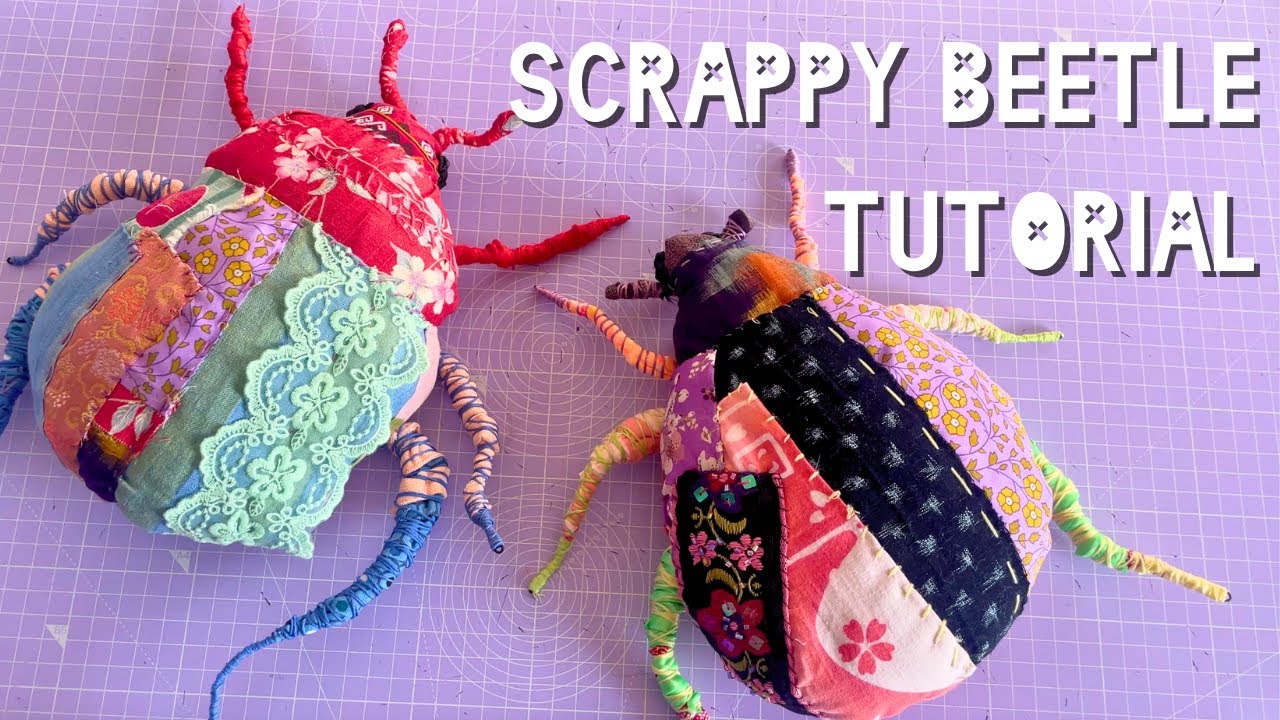

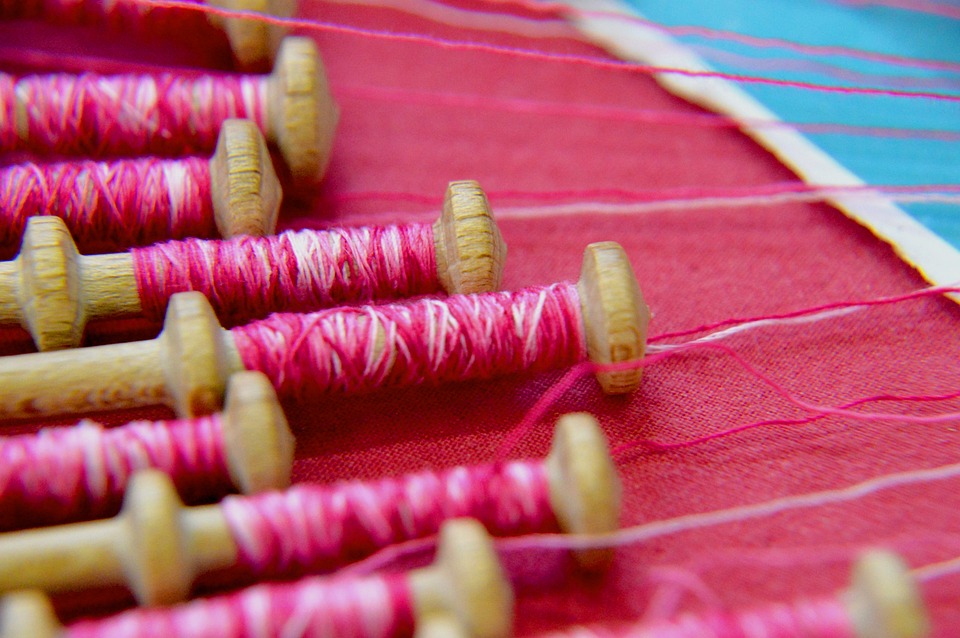



Sewing is a timeless craft that has been cherished for generations. It’s not only a practical skill that allows you to mend and create clothing, but it’s also a creative outlet that can be incredibly fulfilling. If you’ve ever wanted to learn how to sew but didn’t know where to start, this comprehensive guide is for you. We’ll cover everything from understanding the basic tools to completing your first project with confidence.
Getting Started: Essential Tools and Materials
Before you can begin sewing, you’ll need to gather some essential tools and materials. These items form the foundation of your sewing toolkit:
Sewing Machine
Your sewing machine is the most crucial piece of equipment. For beginners, a simple, user-friendly model is best. Look for one that has basic stitch options, a drop-in bobbin, and an automatic needle threader. Brands like Brother and Singer offer excellent entry-level machines.
Sewing Kit
A basic sewing kit should include scissors, pins, a seam ripper, measuring tape, fabric chalk, and a variety of hand sewing needles. These tools will help you cut, mark, and adjust your fabric efficiently.
Fabric and Thread
Choose a simple woven fabric like cotton for your first projects. It’s easy to work with and forgiving. Match your thread color to your fabric to ensure a seamless finish.
Understanding Sewing Patterns
Sewing patterns are templates that guide you in cutting and assembling fabric pieces to create a finished item. Understanding how to read a pattern is crucial for successful sewing projects.
Choosing the Right Pattern
Start with simple patterns like pillowcases, tote bags, or basic skirts. These projects typically require straightforward techniques and fewer pattern pieces, making them ideal for beginners.
Reading a Pattern
Sewing patterns come with instructions and diagrams. Familiarize yourself with pattern symbols, such as notches and grainlines, and understand the cutting layout. Always read through the entire pattern before starting.
Basic Sewing Techniques
Mastering a few basic sewing techniques will set a strong foundation for your sewing journey. These techniques are the building blocks for more advanced projects.
Straight Stitch
The straight stitch is the most basic and widely used stitch. Practice sewing straight lines on scrap fabric to get comfortable with controlling the fabric and maintaining even stitches.
Seam Finishing
Finishing seams prevents fabric from fraying. Techniques such as zigzag stitches, pinking shears, or using a serger can help achieve clean and durable seams.
Hemming
A hem is a finishing method for fabric edges. Practice creating a double-fold hem on your fabric, pressing it with an iron to ensure a crisp finish before sewing.
Step-by-Step Projects for Beginners
With the basic skills in hand, it’s time to tackle some beginner-friendly projects. These step-by-step guides will help you apply your knowledge and create useful items.
Simple Tote Bag
Materials: 1 yard of fabric, matching thread, sewing machine, scissors, pins, measuring tape.
Instructions:
- Cut two pieces of fabric measuring 16″x18″ for the bag body and two pieces measuring 4″x20″ for the handles.
- Place the bag body pieces right sides together. Sew around the sides and bottom, leaving the top open.
- Fold each handle piece in half lengthwise, right sides together. Sew along the long edge, then turn right side out.
- Press handles flat and sew them to the top of the bag body, ensuring they’re evenly spaced and securely attached.
- Fold the top edge of the bag down 1/2″ twice to create a hem. Sew around to finish.
Envelope Pillowcase
Materials: 1 yard of fabric, matching thread, sewing machine, pins, measuring tape.
Instructions:
- Cut one piece of fabric measuring 19″x44″.
- Hem the short edges by folding 1/2″ twice and sewing along the edge.
- With the right side facing up, fold one end of the fabric 18″ towards the center. Fold the other end over to overlap by 6″.
- Pin the side edges and sew them using a 1/2″ seam allowance.
- Turn the pillowcase right side out and insert your pillow.
Tips for Success
As you embark on your sewing journey, keep these tips in mind to enhance your experience and improve your skills:
Practice Patience
Like any new skill, sewing requires patience and practice. Take your time with each project and don’t be discouraged by mistakes; they’re valuable learning experiences.
Maintain Your Sewing Machine
Regularly clean and oil your sewing machine to keep it running smoothly. Refer to your machine’s manual for maintenance instructions.
Join a Sewing Community
Engage with other sewing enthusiasts through online forums, local classes, or social media groups. Sharing your progress and asking for advice can be incredibly helpful.
Conclusion
Learning to sew is a rewarding and empowering endeavor. By mastering the basics and tackling beginner-friendly projects, you’ll build a strong foundation for more complex creations in the future. Remember, every stitch brings you one step closer to becoming a confident and skilled sewist. So gather your tools, choose your fabric, and start your sewing adventure today!
#ChatGPT assisted in the creation of this article.